Essential Facts About Snus Products and Packaging Options
Snus products are available in different formats, flavors, and packaging styles, offering adults a range of options to understand before making informed decisions. Their compact presentation and clearly organized packaging help communicate essential product details. German consumers may encounter different product formats, including portions and loose varieties, depending on applicable regulations. Understanding these features provides useful insight into product composition, storage requirements, and packaging design.
Common Snus Product Varieties
Snus is a smokeless product traditionally made with tobacco, although nicotine pouches without tobacco are also available in related product categories. Each format has distinct characteristics that influence its presentation and handling.
- Portion formats: Individual pouches provide consistent portions and convenient handling.
- Loose varieties: Loose products offer a different texture and allow users to handle the material directly.
- Flavor profiles: Available profiles may include mint, cooling sensations, and other aromatic combinations.
- Nicotine strengths: Product labels can communicate nicotine content, helping adults understand the amount present.
- Moisture levels: Differences in moisture influence texture, freshness, and storage needs.
In Germany, understanding these distinctions also helps consumers recognize the importance of checking product information and applicable legal requirements before considering any nicotine-containing product.
Packaging Options and Their Practical Features
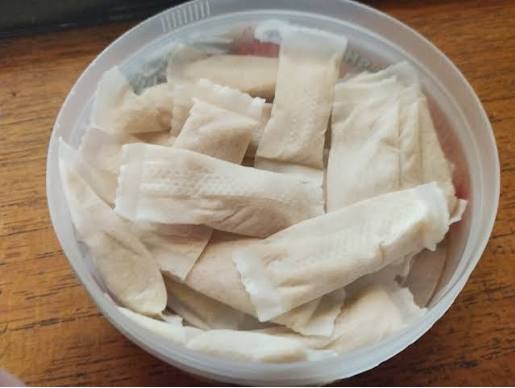
Packaging plays an important role in protecting product quality and presenting information in an organized format. Containers are designed around portability, portion storage, and access to essential labeling details.
- Round containers: Compact tubs can hold portions securely and fit conveniently into a bag or pocket.
- Sealed lids: Secure closures help protect contents from unnecessary exposure.
- Portable formats: Lightweight packaging supports convenient carrying and organized storage.
- Clear labeling: Ingredient details, nicotine information, and relevant warnings help communicate product characteristics.
- Resealable designs: Suitable closures can help maintain freshness when products are stored according to instructions.
Packaging requirements can vary, so German consumers should review the labeling and restrictions applicable to the specific product category.
Flavor Presentation and Product Identification
Flavor descriptions and visual presentation help distinguish different product varieties. For instance, a name such as garant ice cool suggests a cooling flavor profile, while the actual ingredients and sensory characteristics should always be verified through the product label.
Useful identification features include:
- Flavor descriptions that explain the intended profile.
- Clearly displayed ingredient information.
- Readable nicotine content and serving details.
- Manufacturing and storage information where provided.
- Appropriate health warnings and regulatory information.
In Germany, accurate labeling and compliance with applicable rules remain important considerations when evaluating nicotine-related products and their packaging.
Storage, Quality, and Responsible Awareness
Appropriate storage helps preserve the condition of packaged products. Consumers should follow the manufacturer’s instructions and keep nicotine-containing products away from children and pets.
- Store containers in a cool, dry place when the label recommends these conditions.
- Keep lids securely closed between uses.
- Check packaging integrity before handling the contents.
- Follow expiry dates and disposal instructions.
- Review local restrictions before purchasing or carrying products.
For adults in Germany, understanding product formats, packaging information, and nicotine risks supports more informed awareness. Nicotine is addictive, and smokeless products are not risk-free. Clear labeling, careful storage, and attention to applicable regulations are essential considerations when learning about these products.

Tips and Suggestions for New Nursery Gardeners to Learn
Personalized Christmas Gifts Can Be Inexpensive, Easy and Fun
What Kind of Singapore Cases to Safeguard Your iPhone?
About Author
