How Family Protection Dogs Support Responsible Home Security
A secure household depends on thoughtful preparation, consistent routines, and reliable protective measures. Family protection dogs can contribute to this environment by combining natural awareness, structured training, and affectionate companionship. These dogs offer more than a protective presence because they also become trusted members of everyday family life. When properly selected and responsibly trained, they can help households feel more confident while encouraging a balanced approach to home security. Their abilities work most effectively alongside sensible precautions, clear boundaries, and responsible ownership.
1. Providing an Alert and Protective Presence
Family protection dogs are valued for their awareness, confidence, and ability to recognize unusual activity. Their presence can support household security through several positive qualities.
- Environmental awareness: Dogs can notice unfamiliar sounds, movements, and activities around the property.
- Early alerts: Their barking may notify household members when something unusual happens nearby.
- Visible presence: A confident, well-trained dog can discourage unwanted attention without unnecessary aggression.
- Consistent observation: Regular interaction with household surroundings helps dogs become familiar with normal daily activities.
- Protective instincts: Appropriate training helps direct natural guarding behaviours toward controlled and responsible responses.
2. Supporting Responsible Security Practices
A protection dog should complement existing security arrangements rather than replace them. Responsible owners understand that effective protection involves preparation, supervision, and suitable training.
Important practices include:
- Structured training: Professional guidance helps dogs understand appropriate responses to different situations.
- Clear household rules: Consistent commands establish boundaries and encourage predictable behaviour.
- Secure outdoor spaces: Suitable fencing and controlled access provide a safer environment for everyone.
- Visitor management: Introducing guests calmly helps dogs distinguish familiar visitors from unexpected activity.
- Regular supervision: Monitoring interactions supports positive behaviour and strengthens household confidence.
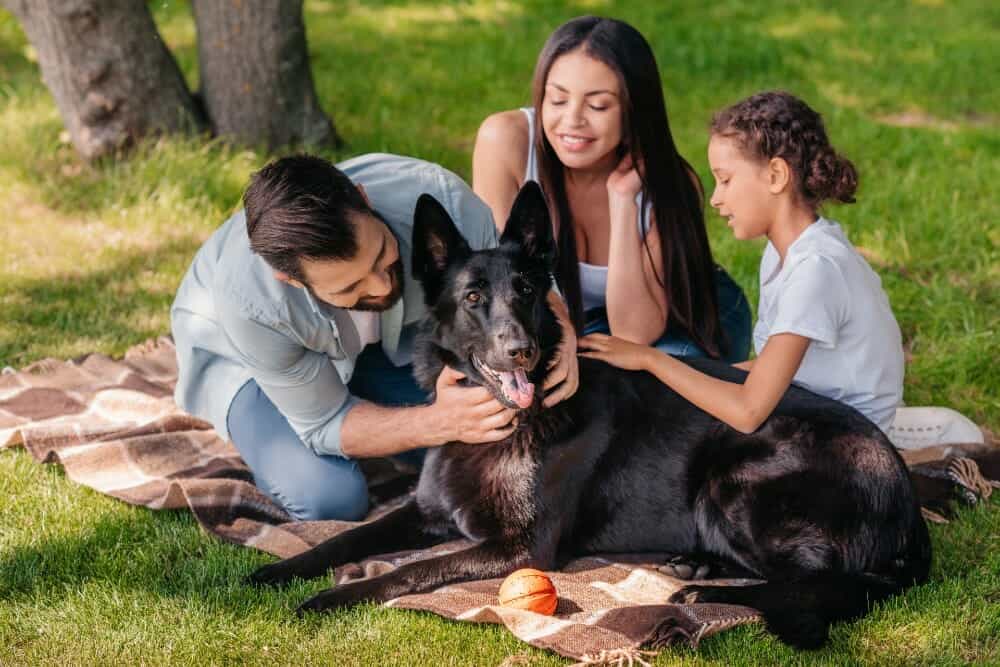
For additional guidance on responsible ownership, training considerations, and protective routines, homeowners can explore helpful information and click here to access relevant educational resources when available.
3. Building Strong Family Relationships
Security becomes more meaningful when every household member feels comfortable around the family dog. Positive relationships create trust while helping the animal understand its place within the home.
- Family interaction: Regular playtime and companionship encourage healthy emotional connections.
- Children’s awareness: Teaching children respectful behaviour helps create safer interactions.
- Daily routines: Consistent feeding, exercise, and rest schedules support stability.
- Socialisation: Controlled exposure to different people and everyday situations encourages balanced behaviour.
- Positive reinforcement: Rewarding desirable actions makes learning enjoyable and effective.
4. Maintaining Long-Term Protection and Wellbeing
Responsible ownership requires ongoing attention to a dog’s physical health, emotional needs, and training progress. A comfortable dog is better positioned to maintain positive household behaviour.
Owners should prioritise:
- Routine veterinary examinations and preventive healthcare.
- Nutritious meals and access to clean drinking water.
- Daily exercise suited to the dog’s age and abilities.
- Mental stimulation through interactive games and learning activities.
- Regular training refreshers to maintain reliable responses.
- Comfortable resting areas that provide sufficient relaxation.
Conclusion
Family protection dogs can make a valuable contribution to responsible home security through awareness, companionship, and structured protective behaviour. Their presence encourages households to develop consistent routines while strengthening relationships between people and animals. With appropriate training, responsible supervision, and continuous care, these dogs can become dependable companions in everyday life. Combining their natural abilities with practical security measures creates a welcoming household where protection, trust, and family wellbeing remain equally important.

New Study Reveals Skeleton Isopods Unique Adaptations to Harsh Marine Environments
Are You Missing Some of the Essential Gardening Bird Seeds?
Gentle Treatment Techniques Help Animals Enjoy Greater Physical Freedom
About Author
